Thursday, October 22, 2015

THE VISIT TO A VETERINARY SPECIALIST IN A REFERRAL CENTER


I spent this past weekend with my five siblings in the Blowing Rock area of North Carolina for a family reunion and to enjoy the autumn foliage.

This annual fall gathering is a chance to share board games, coffee, and stories that make our family unique & bonded. I've learned that there is an actual term for the fear of peanut butter sticking to the roof of the mouth, arachbutyrophobia. Between meals that resembled the buffet line at “Golden Corral” and homemade breakfast, lots of exercise was needed to wear off the calories. One of the best hikes was the Flat Top Mountain trail up to the fire tower. 


The multiple panoramic views of the fall colors were stunning.   The National Park site is the former estate of Moses Cone, also called the “denim king” of Greensboro textiles.  

The multiple panoramic views of the fall colors were stunning.   The National Park site is the former estate of Moses Cone, also called the “denim king” of Greensboro textiles.  

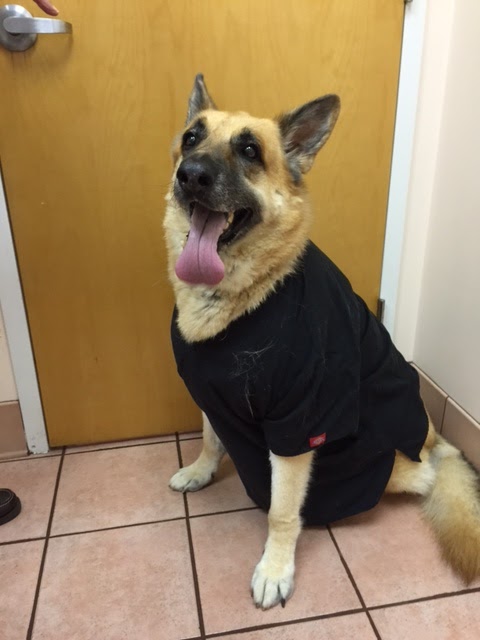
Unfortunately, I knew that the upcoming week would require further investigation into the reason for the sudden and unexpected significant heart murmur in my precious dog “Taco Belle” during her annual physical. I selected the NCSU College of Veterinary Medicine cardiology service, recognized for their excellent facility and outstanding clinicians. 

WHAT SHOULD YOU TAKE TO REFERRAL CENTERS FOR PLANNED SECOND OPINIONS & DIAGNOSTICS?
I had emailed her digital radiographs prior to the appointment. However, obtaining your own digital link or a CD (replacing hard copy radiographs of the past) is a useful backup plan. In addition, pre-faxing medical records, medications, laboratory test results, and immunization dates (specifically Rabies) is helpful to expedite the check in process. 
HOW DID TACO BELLE TAKE THE NEW HOSPITAL VISIT AT NCSU?
Taco Belle is a great traveler and waited in her blanket until the examination and Doppler blood pressure check.


DESCRIBE WHAT HAPPENDED DURING THE CARDIOLOGY Echocardiogram EXAMINATION?
With technicians holding her gently on a padded table (with a semi-circular opening) centralized  over the heart, the veterinary cardiologist, Dr. Terri Defrancesco applied a gel covered probe on the skin near the heart from different directions. 


Utilizing sound waves, the images of the four heart chamber sizes and velocity of blood flowing through the heart are recorded. Later the dimensions are measured & calculated on a separate computer screen.


WHAT WAS FOUND?
Taco Belle has mitral valve endocardiosis and insufficiency along with left atrium enlargement. 


In simple terms, this means that the heart valve that controls the blood flow between the upper and lower chambers on the left side of the heart (mitral valve) is starting to deteriorate. The sudden onset is suspect that one of the attachments of the valve (called the chordae tendineae) has slightly ruptured. 


WHAT IS THE TREATMENT? 

She is already on a Royal Canin GI low fat diet that has the lower sodium of 100mg/100 kcals. To slow the onset of heart failure, a medication, enalapril, to help the heart work more effectively  is prescribed. The picture below is of Taco Belle's cardiologist with the gift of the new children's book I recently wrote.


WHAT IS THE PROGNOSIS?
Taco looks and acts fine. She sleeps and plays as usual with the occasional hesitation to go up the steps. She still performs her “happy dance” racing through the house 90 miles an hour on occasion that makes her family happy. There is no way of predicting when she will go into heart failure: 6 months or 3 years from now. When she does, the next steps to treat the anticipated coughing, distended belly, and weakness will include added medications such a diuretic to remove fluids and pimobendin to help the heart work more effectively. 


Betsy T. Sigmon, DVM, Diplomate American Board of Veterinary Practitioners, Canine & Feline
Creature Comforts Animal Hospital
Cary, NC


Below are some pictures I took today at the farmer's market and on my front porch to celebrate the fall.


Happy Halloween !

Thursday, October 8, 2015

Dilated Cardiomyopathy, a Heart Disease with Surprises


Everyone enjoys a good surprise. I am no different, as a surprise birthday party was organized by my husband to celebrate a milestone. On the pretext we were going to dinner with my siblings, 30 friends greeted me in surprise! It was a wonderful occasion to celebrate life and the blessing of family and friends. 


In my garden, each day of summer provides the element of blissful joy to see the unfurling of new flowers on the lilies with their delicious and intoxicating scent.

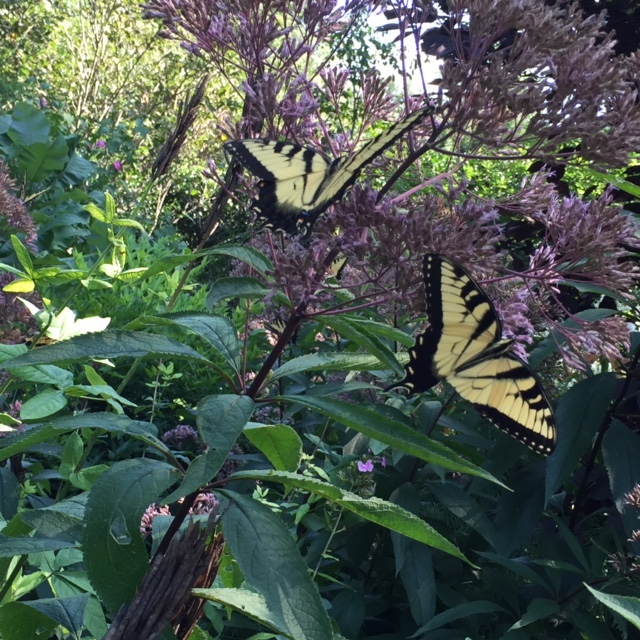
 Many visitors to my garden delight in the constant fluttering of the butterflies that come on my Joe Pye Weed flowers.. All if these constant changing and evolving " eye candy" are highly anticipated and gorgeous portions of the summer experience in the piedmont summer in the Carolinas.


Last week, I came home to the surprise of a lawn mower photo shoot being shot in my yard. I was overwhelmed by the amount of equipment and number of people ( check out 15+ cars) to take a picture of a riding law mower. 


As my garden travels included a side trip to the Chelsea Flower Show in London, I was surprised by the side trip to the British Museum to see the spectacular beauty of the Elgin Marbles in the British Museum. Sometimes unscheduled events have huge visual surprises.


Unfortunately, some surprises are unexpected and not pretty, namely failure of the heart muscles to effectively pump blood called dilated cardiomyopathy. 


WHAT IS DILATED CARDIOMYOPATHY OF DOGS?

Dilated cardiomyopathy (DCM) literally means “a disease of heart muscle characterized by ventricular chamber (lower section) enlargement." It is one of the most common acquired heart diseases in dogs.

WHAT HAPPENS?

Initially, the chambers of the heart enlarge and the walls stretch to compensate. Eventually, this leads to leaky heart valves and a backlog backing up to the lungs if the left side is not pumping effectively. The belly becomes full of fluid if the right of the heart fails.

WHAT ARE THE MORE COMMON BREEDS OF DOG THAT HAVE THIS DISEASE?

Cocker spaniels, Doberman Pinschers, Golden Retrievers, Newfoundlands, Boxers, Dalmatians, Portuguese Water Dogs, Labrador Retrievers, and Great Danes have a risk for the disease. Testing is available for genetic risk assessment for many of these breeds.


I HAVE HEARD THAT SOME CANCER CHEMOTHERAPIES CAN INDUCE THIS DISEASE? ANY OTHER RISKS?

Yes, it can also be found in cancer patients being treated with IV cancer drugs, such as doxorubicin/Adriamycin, that have a toxic effect on heart muscle. Infections such as protozoan Trypanosoma cruzi can insult the heart muscle (myocarditis), a parasite commonly found in South and Central America. Also, low thyroid levels (hypothyroidism) can lead to heart disease. Parvo virus induces heart muscle damage in many puppies that current immunization (vaccination) protocols have significantly lowered the risk.

NAME SOME DIET RISKS ASSOCIATED WITH DILATED CARDIOMYOPATHY?

Nutritional cardiomyopathy has been reported predominantly in American Cocker Spaniels, Boxers and Dalmatians on urolytic diets such as Hills Prescription Diet u/d. Recently, taurine (a protein/amino acid) deficiency has been reported in several other breeds, including Golden Retrievers, American Cocker Spaniels and Newfoundland, especially if eating a vegetarian diet. In Boxers, another protein/amino acid deficiency, carnitine, has been noted that responds to supplementation. These amino acids are essential for normal heart muscle function.

ARE THERE MORE COMMON SIGNS?

Lethargy, exercise intolerance, weakness, and cold feet can develop surprisingly quickly. This can be followed with coughing and a greatly distended belly (ascites). Most owners report a loss of appetite and difficulty breathing by this time.

CAN YOU LIST SOME TESTS NEEDED TO CONFIRM THIS DIAGNOSIS?

X-rays of the chest and abdomen, electrocardiogram, sound waves of the heart (echocardiogram), blood work, thyroid levels, and possible testing taurine levels (an amino acid).

MOST COMMON TREATMENTS UTILIZED?

-Diuretics such as furosemide

-ACE inhibitors to dilate vessels and help reduce fluid retention

-Pimobendin to slow heart rate and improve efficacy of each heart beat

-Digoxin to slow very heart rates associated with an ECG abnormality called atrial fibrillation

-Beta blockers to slow an extremely fast heart rate.

-In severe cases, draining of the "life threatening" fluid accumulation of fluid in the belly to relieve pressure on the diaphragm that makes breathing difficult.


WHAT IS THE PROGNOSIS?

Generally animals will live three months to a year depending on the severity of changes at presentation.

IN BREEDS AT RISK, ARE THERE SOME SCREENING TESTS?

Yes. Discuss the value of NT-proBNP, Troponin levels, genetic screening, diet review, Electrocardiograms, and Echocardiograms of breeds at risk with your veterinarian.


Betsy T. Sigmon DVM, Diplomate American Board of Veterinary Practitioners, Canine & Feline Practice

Hospital Director, Creature Comforts Animal Hospital

Cary, NC


Saturday, October 3, 2015

EATING ODD OBJECTS BY DOGS & CATS: PICA


It is no surprise to most of my clients and friends that I love desserts. I was raised to ask not what was for supper but rather what was for dessert.
 I do not eat a lot of chocolate; yet, delectable pastries get me into “heavenly bliss”. On vacations, the local bakery is often  first stop for me!


Unfortunately, when offered even the best of premium dog food, many dogs and cats chose to eat other things in their spare time.

Many times, owners witness the ingestion. In other circumstances, the objects are passed in vomit or poop such as this golf glove ( radiograph on above shows it in the stomach).


.


Sadly, as in this athletic sock ingested (radiograph below), they often cause an obstruction requiring surgery.

WHAT IS PICA?
It is defined as pets eating objects with no nutritional value: paper clips, socks, gloves, needles, razor blades, electrical cords, carpeting, underwear, plants, rocks, plastic, dental floss, golf balls, and toys among other things. It is thought to be a variant of normal exploration, scavenging, and chewing. Some feel there is an appeal of certain textures or preferred tastes to chew.

WHAT IS THE CAUSE?
Experts have not pin-pointed one specific cause of this compulsive behavior. Boredom (lack of exercise), stress, infantile behavior, low fiber diets, irritable bowel syndrome, and other intestinal medical issues are mentioned. Some puppies that were starved under 20 weeks of age have an increased risk of pica. 
ARE THERE GENETIC LINKS?
Doberman pinchers seems to have a propensity for blanket sucking and Oriental cats (Siamese, Burmese, etc.) have a similar increase in wool sucking. However affected cats may also chew on cotton, rubber bands, string, and cardboard. 
CAN YOU EXPLAIN POSSIBLE SIGNS OF A BLOCKAGE FROM EATING OBJECTS?
Vomiting, lack of appetite, dehydration, and painful belly are the most common reports. A radiograph, abdominal ultrasound is often performed to confirm the suspected cause. In the following photo, a cat ate a needle with sewing thread attached.


HOW IS PICA TREATED?
 Avoiding stress is a key factor. The next important portion is anticipation and avoidance of situations that are inciting causes: closing trash cans, putting away laundry, and confinement in areas to limit access to objects when unsupervised. On presentation to a veterinarian a blood profile maybe performed to check for irregularities and a good history to rule out separate intestinal disorders. Treatment includes: higher fiber diets to fill up stomach, increased exercise to enrich the environment, and provide alternate chewing activities such as food puzzle toys, durable chew toys, dental chews, and cat grass. For dogs, imcreases in brain game activities such as obedience training, bumper retrieving exercises, or swimming helps to tire and decrease episodes. This leads to happier dogs and owners!!!


In addition, for added safety some  dogs may comfortably be fitted with a basket muzzle for key periods of the day. Slowing down eating with Buster Dog Mazes is another example. For those that cannot find a cause, an anti-anxiety medication maybe discussed.
For cats, it is very important to enrich the environment with tools with online tools such as the "the indoor cat initiative" to simulate hunting for food,climbing perches,and increasing exercise. similar puzzle games for feeding stations are helpful.


Below is a fall scene from Linville Falls, North Carolina.


Betsy T. Sigmon, DVM Diplomate American Board of Veterinary Practitioners, Canine & Feline Practice
Creature Comforts Animal Hospital, Hospital Director
Cary, NC

Thursday, September 24, 2015

Eye Medications: What’s in the tube?


On a recent visit to the town of Todd in the mountains of North Carolina, I participated in leisurely tubing run down the South Fork of the New River with some dear friends. It was a beautiful, slow pace determined by the current of the water, taking in all the visuals of the mountains. 


A few weeks later I was in Charleston, South Carolina checking out the CSS H.L.Hunley, a Civil War era, hand-cranked powered submarine. 


It was hard to image being in a tube only 4 feet tall by 40 foot long, these men torpedoed the mighty USS Housatonic in Charleston Harbor on February 17, 1864. This action didn't change the course of the Civil War, but by becoming the first combat submarine to sink an enemy warship, it altered naval warfare forever.
For the best in breakfast treats in the Charleston area, forget the breakfast rolls in a tube
Head to WildFlour Pastries for a Cinnamon or Sticky bun that is the best. Simply cross the Arthur Ravenel Bridge on a Sunday morning, and be in line at 8 AM, as that is the only day they are available.

So what is all this connection to tubes and eye problems in pets?
Pet owners are presented eye (ophthalmic) tubes and bottles of medications every day both from veterinarians and over the Internet advertisers. Some are well documented in studies while others are sketchy at best. At a recent seminar at North Carolina State College of Veterinary Medicine, ophthalmologist Dr. Brian Gilger, presented an update on some new eye products. 

ARE THERE EXCLUSIVE  VETERINARY APPROVED EYE PRODUCTS FOR PETS?

There is one main one, Optimmune that treats dry eye of pets (lack of tear production). All others utilized by veterinarians are principally human approved products.


I SAW AN AD FOR AN EYE DROP THAT TREATS CATARACTS? IS THAT A PROVEN PRODUCT?
The product is N-acetyl carnosine drops developed in Russia about a decade ago. It is marketed under various trade names such as Bright eyes, Clarity, and Can-cThe results are questionable improvement in a mild aging change of the lens called lenticular sclerosis as an anti-oxidant, but not other causes of cataracts. It costs $39+ a bottle. Note that such products are considered supplements and are not regulated by the FDA. This allows manufacturers to make a variety of claims without clinical trials to substantiate. NOT RECOMMENDED
DISCUSS SOME NEW OPTIONS TO CONSIDER TREATING EYE CATARACTS.
1.       Lanosterol (naturally occurring steroid) eye drops slows defective proteins from clumping and forming cataracts. Experimentally, this could be a game changer to lower the need for cataract surgery in people and animals. According to the CDC, cataracts are the leading cause of vision loss in the USA. It may be years before this product is commercially available and would be a lifelong treatment twice a day. RECOMMENDED 
2.       Kinostat (aldose reductive inhibitor) for prevention of diabetic cataracts is an eye medication applied 2 to 3 times a day for life. It needs to started early in the diagnosis. Huge fluctuations in blood glucose lead to cataracts as sugar gets into the lens, converted to sorbitol and the lens swells. . At NCSU college of Veterinary Medicine, 30% of cataract surgery is related to diabetes.  It will be commercially available in the next 2 years. RECOMMENDED
3.       Remend by Virbac, is a good artificial tear and anti-inflammatory eye drop. It contains a cross-linked hyaluronic acid lubricant. Although promoted as a corneal (ulcer) repair drop, there is no documentation and is not FDA approved. A much cheaper version is OTC Blink, artificial tear. NOT RECOMMENDED

Ocean Course club house on Kiawah Island


Betsy Sigmon DVM, Diplomate American Board of Veterinary Practitioners, Canine & Feline

Hospital Director, Creature Comforts Animal Hospital

Cary, NC
Sunset over Charleston Harbor

Tuesday, September 15, 2015

SKIN TUMORS: IT IS NOT OBVIOUS WHAT IS INSIDE


I was at a recent charity horse show in Raleigh this past weekend and watched a white faced, Capuchin monkey named “Whiplash” dressed as a cowboy, riding a border collie as he hereds a wild Barbados Sheep.  www.whiplashthecowboymonkey.com


I was intrigued by the monkey’s ability to hold on by his tail like a saddle girth. His favorite treat was Oreo’s and encouragement from his trainer was a handshake. What was hidden under the chaps?

Clients often note a lump on their pet’s skin and question if it is something of concern. In discussions with clients I often go “round and round” as to the need to remove a mass versus the risk. 


WHAT ARE THE TWO MAIN CATAGORIES OF SKIN GROWTHS OF PETS?

The simplistic versions are either benign (no risk of going other places) or malignant (risk of spreading). 
OF THE BENIGN TUMORS, WHAT ARE THE MOST COMMON ONES?
Fatty tumors (lipomas) are the most common lump found on dogs, followed by oil gland tumors (sebaceous epitheliomas/cysts).


MALIGNANT (cancerous) TUMORS ARE CONCERNING! CAN YOU NAME A FEW?

The most common one in dogs and cats is a Mast cell tumor followed by sarcomas and carcinomas.


HOW ARE THEY DIAGNOSED?

When possible, cells from the mass are drawn (aspirated) into a syringe and then examined under a microscope after special staining on a slide. In cases when that is non-diagnostic, a biopsy (sample of the actual mass) is obtained and submitted to a veterinary lab.


ARE MOST GROWTHS RECOMMENDED TO BE REMOVED?
No, many of the benign ones, unless in a location that could make irritation a concern are left alone. It is the malignant ones that are recommended to be removed with 1.5 inch margins around growth when possible. 


Betsy T. Sigmon, DVM, Diplomate American Board of Veterinary Practice, Canine & Feline
Hospital Director, Creature Comforts Animal Hospital
Cary, NC

Thursday, September 3, 2015

NOISY BREATHING: SIGNS OF BRACHYCEPHALIC AIRWAY SYNDROME


In August of each year the signs are right to take a road trip to Louisville and the Kentucky State Fair. While there I consume my two corn dogs with mustard, watch the sheep being sheared for competition, observe the show cow stalls, and attend the horse show each night.

These are familiar signs of the end of summer. Especially noteworthy is the “fancy costume turnout” Harry Potter themed miniature horse class. 

Speaking of signs, I think it is perceived as acceptable that dogs with smashed faces (English Bulldogs, Pugs, Boston Terriers, Lhasa Apsos, Shih Tzu’s) normally snort to breathe. From the dog's perspective, there is often a fight to breathe through two very small holes similar to a chip bag clip on your own nose.

WHAT ARE “STENOTIC NARES” AND THE RELATIONSHIP TO BRACHYCEPHALIC AIRWAY SYNDROME?

 Stenotic nares are a genetic malformation of the cartilage in the nasal openings that worsen with age. They are a one part of a larger issue called brachycephalic airway syndrome. The other components are an elongated soft palate (too long roof of the mouth) and hypoplastic trachea (too small diameter windpipe).  In some dogs the damage is so severe it causes eversion of the lining of the voice box (laryngeal saccules) so that swollen tissue is blocking the airways.  There are varying degrees of obstruction between dogs.
The left photo is a dog with stenotic nares. The photo below is normal nasal opening.


WHAT HAPPENS?Over time the “pinched nostrils” can lead to an increased effort to breathe during inspiration (breathing inward). This can lead to collapse of the voice box (larynx) leading to significant respiratory distress. 
ARE THERE SIGNS THAT CAN ALERT OWNERS TO POTENTIAL RESPIRATORY DISTRESS? 
Dogs with mild disease will have noisy breathing with exercise or excitement. Others simply snore when relaxed or asleep. Severely affected animals have more pronounced nasal sounds, appear to tire easily with exercise, and may faint after exercise. Other symptoms may include coughing, gagging, retching and vomiting. Symptoms are often worse in hot or humid weather.

WHY DO GI SIGNS DEVELOP CONCURRENTLY WITH THE AIRWAY DISEASE?
The negative pressure created with restricted breathing suctions stomach acid into the esophagus (reflux/heartburn). This leads to coughing, gagging, vomiting, and aspiration pneumonia is some cases.

HOW IS IT DIAGNOSED?
Diagnosis is BASED externally on the diameter of the nasal passage opening. Other testing will require sedation with radiographs, and measurement of the length of the roof of the mouth (soft palate), and visual of the larynx (voice box).


 WHAT IS THE TREATMENT?

 SURGERY as early as 6to 9 months of age to correct the stenotic nares (to dilate opening) and possibly shortening the roof of the mouth (soft palate) are key components of treatment. Keeping pets in a healthy weight range, avoiding  high heat and humidity, use of a harness to keep pressure off the trachea are key. In emergency situations, steroids, oxygen therapy, and even temporary tracheostomies may be needed.

WHAT IS THE PROGNOSIS?
Dogs under two years of age at the time of surgical correction have better post-operative results than dogs that are older. Dogs that only require surgical correction for stenotic nares and/or an elongated soft palate have a better prognosis that those with multiple issues.  Concurrent complications  such as allergic bronchitis or heart disease have a poorer prognosis. 
WHAT ABOUT BREEDING THESE AFFECTED DOGS?
They should not be bred to lower propagation of the anatomical defects. For examples of how breeds have changed over the last 100 years that have increased the risk of these and other issues, review the websites below.


https://dogbehaviorscience.wordpress.com/2012/09/29/100-years-of-breed-improvement/

http://www.dailymail.co.uk/news/article-2519314/How-century-breeding-improvement-turned-healthy-dogs-deformed-animals.html
http://www.dogster.com/the-scoop/dog-breeds-breeding-photos-dogs-of-all-nations

Betsy Sigmon, DVM, Diplomate American Board of Veterinary Practitioners Canine & Feline
Hospital Director, Creature Comforts Animal Hospital 
Cary, NC